What Is AI Inference? How It Works
See how AI models turn new data into useful answers and predictions.

What is AI inference? It is the stage when a trained model processes new data and produces a result. That result could be a prediction, a label, a score, or a written answer.
Inference puts AI to work in a product. A chatbot uses it to reply to a question. A fraud tool uses it to flag a risky payment. It is the step users see.
What AI inference means
People asking “what does AI inference mean?” are asking how a model uses what it learned. During training, a model learns patterns from examples. During inference, it applies those patterns to fresh input.
What is an AI inference in practice? It is one run of a trained model on a particular input. For example, a picture sent to an image model can produce a label such as “cat.” A sentence sent to a language model can produce a reply.
Inference does not usually mean that the model learns from every request. Most systems keep the model’s learned settings fixed while it handles new cases. A team can later update the model through more training.
The term AI inference technology covers the model and the tools used to run it. These can include servers, chips, data prep steps, and software that sends results to an app. The right setup depends on the task and the speed it needs.
How AI inference works
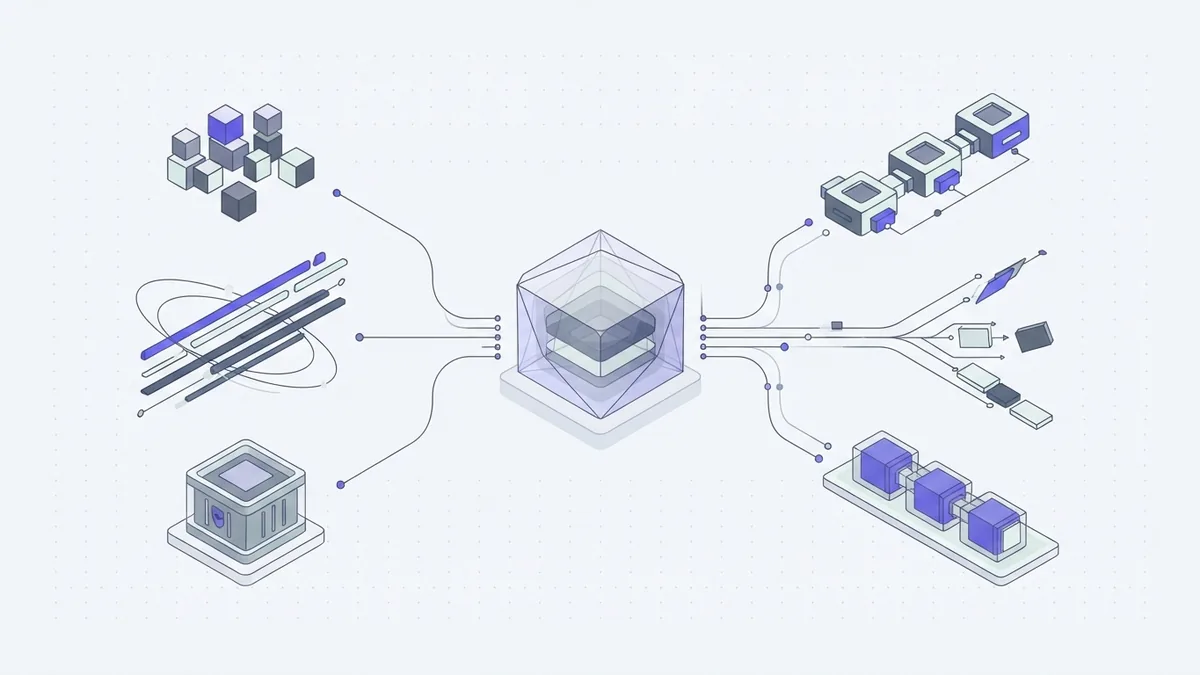
How does AI inference work? A system takes in data, prepares it, runs the model, then turns its result into something useful. The exact steps vary by task, but the basic flow is much the same.
First, the system checks and shapes the input. It might resize a picture, split text into tokens, or confirm that a payment record has the needed fields. This data prep helps the model read the input in the form it expects.
Next comes model execution. The prepared input passes through the model’s layers, which perform calculations based on patterns learned during training. The model returns values that point to a likely class, score, or answer.
Last, the system turns those values into an output. A picture tool might show a label, while a fraud tool might pass a risk score to a review flow. A chatbot may check its draft before it displays a reply.
- Prepare the input: Check, clean, and format the data.
- Run the model: Process the input with the trained model.
- Generate the output: Turn the model’s result into a prediction or response.
For a chatbot, the request may be split into small text units before it reaches the model. The model then creates a response from its learned patterns. The app can apply its own safety checks before showing that response.

AI inference vs. training
What is AI inference vs training? Training is the learning stage. Inference is the use stage. Training adjusts a model with examples, while inference applies the model to new data.
That difference answers “what is AI training and inference?” too. Training builds or updates the model. Inference lets a finished model serve requests. A team may train a model for days, then use it for thousands of requests each hour.
Think of training as practice and inference as using a skill. A model can learn to spot damaged goods from labeled pictures. Later, it can check new factory images and flag likely damage.
| Stage | Main job | What happens |
|---|---|---|
| Training | Learn patterns | The model adjusts its settings using examples. |
| Inference | Apply patterns | The model processes new input and returns a result. |
So, what is inference vs training in AI? The first uses a model; the second teaches it. Both need computing power, but they serve different needs and often use different tools.
Why inference matters in AI products
Inference shapes how an AI feature feels to use. A useful answer that arrives quickly can fit into a person’s work. A slow or poor result can make the feature hard to trust.
Many tasks need low latency, meaning little delay between a request and its result. Voice tools and payment checks may need answers in milliseconds. A longer wait can disrupt a live chat or hold up a payment.
Inference costs can also grow with request volume. Some teams report that inference can account for as much as 90% of AI operating costs. That is not a fixed rule. Model size, hardware, usage, and system design all affect the bill.
Teams can control cost and speed by choosing a model that fits the task. A small model may be enough for sorting common requests. A larger model may be worth the added time and cost for harder work.
Cloud services offer one way to run inference without buying and managing all the hardware. A cloud setup can make it easier to add capacity when demand rises. It can also add network delay or make costs harder to predict, so teams should test real workloads.

Where AI inference is used
Chatbots use inference to read prompts and form replies. Some also search trusted files before answering. The model then uses the question and the chosen material to create a response.
Fraud systems score payments as they arrive. They may weigh signals such as payment size, time, or past account activity. The score can help a business send unusual cases for review.
Image recognition uses inference to sort or inspect pictures. It can label objects, find defects, or help sort items in a warehouse. The model handles each new picture after training has taught it what patterns to look for.
Other uses include speech-to-text tools, product suggestions, and equipment checks. In each case, the model receives fresh data and returns a result that can guide the next step.
Challenges to plan for
Speed is only one challenge. A model can return a quick answer that is wrong or unfair. Teams need tests that match the data and choices their users face.
Demand can also change over time. A service that works well during quiet hours may slow down at peak use. Teams should track wait times, errors, and cost per request as traffic grows.
Security needs careful thought as well. Keep sensitive data out of model requests unless the system has a clear need and strong safeguards. Limit access, protect data in transit, and review how a provider handles stored inputs.
There is no single best cloud service for every AI inference task. Compare model support, data controls, speed, cost, and the regions available to your users. Test the same workload on each short-listed service before making a choice.
People may ask which company offers top AI inference security. No one provider is best for every team or workload. Review each company’s security controls, data terms, access tools, and audit options before sending sensitive data.
Frequently asked questions
- What is AI inference?
- AI inference is when a trained model processes new data and returns a result. That result may be a prediction, label, score, or response.
- How does AI inference work?
- The system prepares input data, runs it through a trained model, then turns the result into an output. The exact steps depend on the task.
- What is the difference between AI training and inference?
- Training adjusts a model using examples. Inference uses the trained model to process new cases.
- Which cloud service is best for AI inference?
- There is no best service for every workload. Compare model support, data controls, speed, cost, and region access, then test with real requests.
- Which company offers top AI inference security?
- No company is the top choice for every use case. Check each provider’s data terms, access controls, encryption, and audit options.
Related reading

What Is the Difference Between AI and Machine Learning?
AI is the wider field; machine learning is one way to build AI systems.

What Is Cloud Application Development? (Key Steps)
Learn how cloud apps are planned, built, secured, and scaled.

What Is the Best AI Chatbot? Compare Leading Apps
Compare top AI chatbots by task, features, price, and privacy.