Who Builds AI Data Centers and How Much Capacity Do They Have?
Meet the builders, buyers, and power challenges shaping AI data centers.
What AI Data Centers Are Built to Do
The companies that build AI data centers include Amazon Web Services, Microsoft, Meta, Google Cloud, and CoreWeave. These firms design, own, lease, or run sites made for large AI workloads. Their facilities support both model training and fast model use.
An AI data center differs from a traditional server site. It packs more computing power into each rack. It also needs faster links between chips, stronger cooling, and larger power feeds. The goal is simple: move huge data sets through many chips with little delay.
Most AI sites use graphics processing units, or GPUs. Google also builds systems around tensor processing units, or TPUs. These chips handle the math used by neural networks. They work in large clusters rather than as single servers.
Demand now comes from cloud firms, model labs, banks, car makers, and software firms. Some companies are also using agentic AI. These systems can plan tasks, call tools, and take several steps without a new prompt each time. That work adds demand for both training and live inference.
The Main Companies Building AI Data Centers
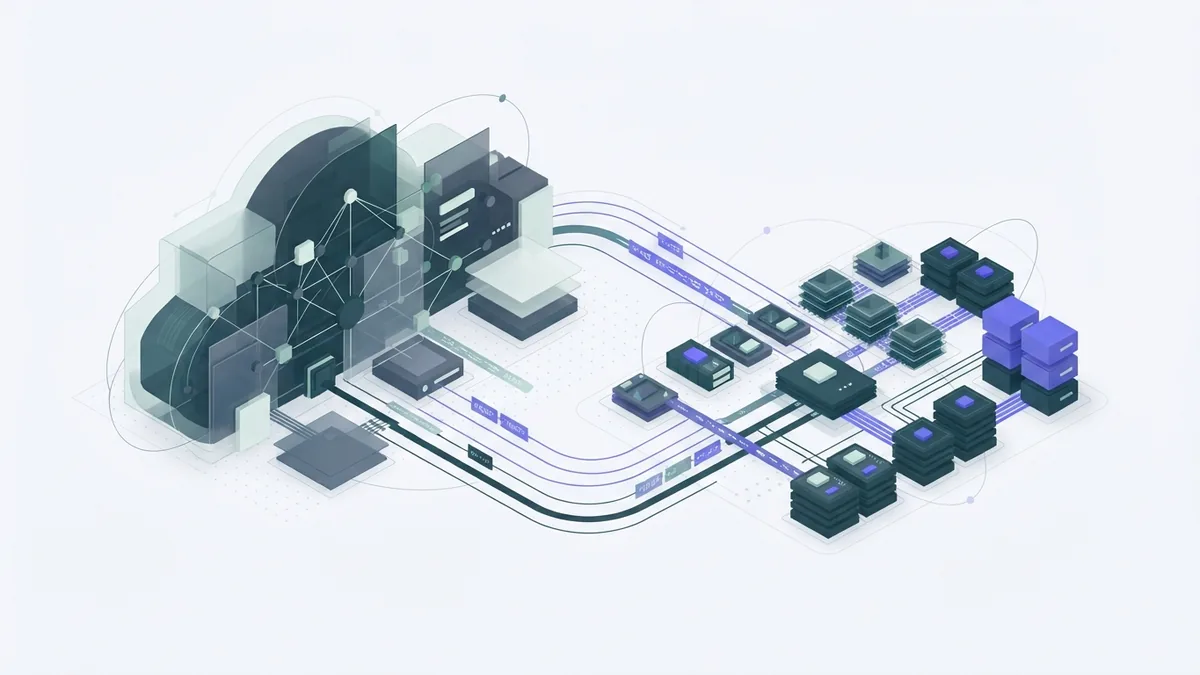
Hyperscalers form the first major group. This term describes cloud firms with huge global networks and large capital budgets. Amazon Web Services, Microsoft Azure, Google Cloud, and Meta all build or fund large sites for AI work.
Microsoft builds sites for its cloud service and its close work with OpenAI. Google Cloud uses its own TPUs and Nvidia GPUs across its cloud regions. AWS offers custom chips, Nvidia systems, and large cluster designs. Meta builds capacity for its own models and social platforms.
Neoclouds form the second group. These firms focus on rented GPU capacity rather than broad cloud tools. CoreWeave is a leading example. Lambda and Crusoe also serve parts of this market.
Neoclouds can move fast because they focus on a narrow service. They may lease buildings and buy power instead of owning every site. This model helps model labs gain chips without building a full cloud network. It also creates more risk when chip prices, power costs, or demand shift.
| Provider type | Main role | Typical edge |
|---|---|---|
| Hyperscaler | Builds broad cloud regions | Capital, network reach, and custom chips |
| Neocloud | Rents focused GPU capacity | Speed, dense clusters, and simple offers |
| Colocation firm | Provides buildings and power | Sites, permits, and utility links |
How Large AI Data Centers Work
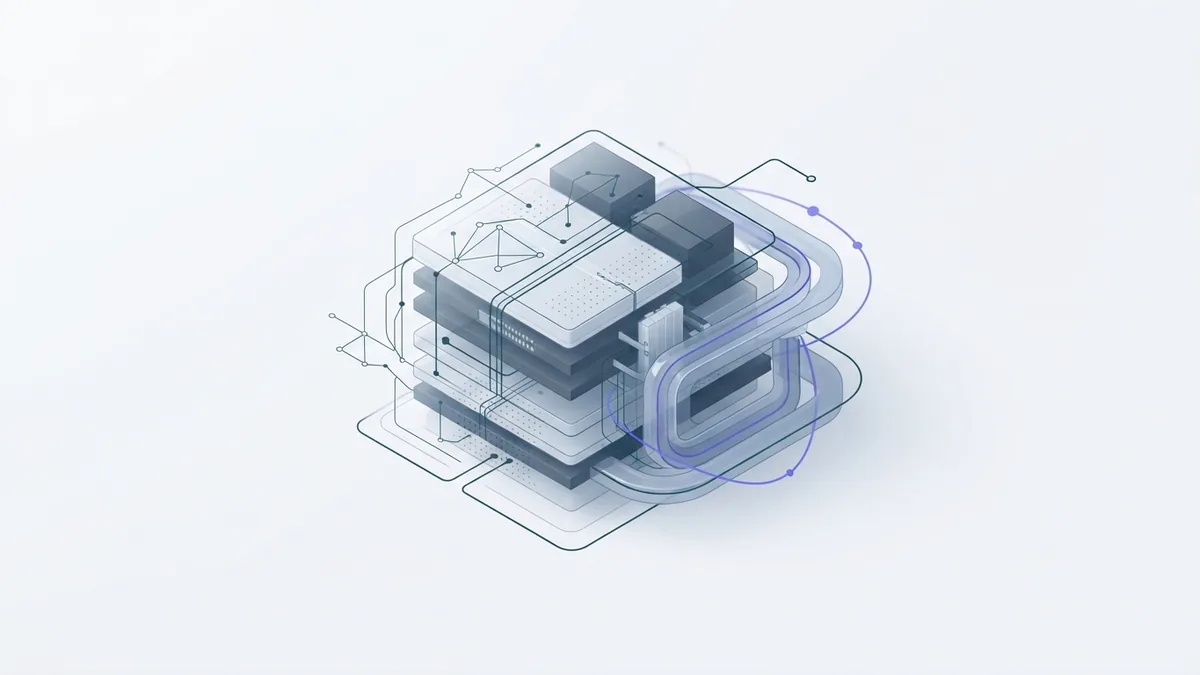
AI clusters need high rack density. A common estimate places an AI rack near 60 kilowatts. Many older server racks used far less power. The final load depends on the chip type, server design, storage, and cooling system.
Power is only one part of the design. Operators need fast links between servers, often with special network cards and optical links. They also need storage that can feed training data at high speed. Any weak link can leave costly GPUs idle.
Cooling has become a key design choice. Air cooling works for light loads, but dense AI racks often need liquid cooling. Direct-to-chip systems move heat from the chip into a liquid loop. This can cut fan power and support higher chip density.
Capacity is measured in several ways. A provider may list megawatts, GPU count, or cloud instances. These measures do not mean the same thing. A 100-megawatt site can hold different GPU counts based on rack design and support systems.
- Power: Utility supply, backup systems, and rack load shape site size.
- Compute: GPU and TPU counts show raw model capacity.
- Network: Low-latency links keep chips working as one cluster.
- Cooling: Liquid systems help manage dense racks.
- Data: Fast storage feeds training and inference jobs.
Market Competition, Spending, and Finance
The AI infrastructure market is growing at a rare pace. Estimates for 2026 put major tech company spending on AI data centers near $650 billion. This figure is an estimate, not a single audited total. It shows how firms are racing to secure power, land, chips, and network gear.
The International Energy Agency's analysis of energy and AI links AI growth with rising data center demand. The source is useful because it combines energy data with sector forecasts. It also separates broad data center growth from the extra load tied to AI.
Financing these sites is becoming more complex. A cloud firm may fund the main build while a neocloud supplies GPUs and runs the cluster. A property firm may provide the building. Banks, private funds, chip firms, and power partners can all share the risk.
These deals can speed up construction, but they add hard questions. Who owns the chips if demand falls? Who pays for unused power? What happens if a utility delays a grid link? Clear contracts matter as much as technical plans.
Competition also extends beyond hardware. Providers compete on delivery time, uptime, network speed, software tools, and access to scarce GPUs. Model firms may spread work across several providers. That choice lowers lock-in but makes data movement and job control harder.
Where AI Companies Get Their Data
AI companies get data from many sources. Public web pages, licensed files, books, code, customer records, sensors, and human-made examples all play a role. The source mix depends on the model's purpose and the firm's rights to use each set.
Data centers do not create most of this data. They store, clean, and process it. Training clusters turn raw files into data sets that models can read. Inference sites then use trained models to answer requests or run tasks.
Data rights now affect data center planning. A firm may need separate storage for private customer data. It may also need sites in certain regions. Rules on privacy, copyright, and data location can shape where a cluster operates.
Agentic AI adds another need. Agents may save task history, tool results, and short-term memory. That creates more reads and writes than a simple chat request. Firms must plan storage, access control, and audit logs along with GPU capacity.
Growth Forecasts for AI Data Centers
More AI data centers will likely open near large power sources and strong network routes. Some projects will use former industrial sites. Others will expand near hydro, nuclear, solar, or gas power. The best site is not always the cheapest site.
Capacity growth will face limits. New substations can take years to build. Local permits may slow large projects. Chip supply, skilled workers, water access, and fiber routes can also constrain growth.
Providers will seek better use from each GPU. They may share chips across jobs, tune model sizes, and shift work to lower-cost hours. Better software can raise useful output without adding the same amount of hardware. That is a key part of GPU density optimization.
The market may also split by workload. Training needs large clusters for long runs. Inference needs broad coverage and quick response times. Small models may run near users, while large training jobs stay in a few dense hubs.
Power Use and Community Impact
AI data centers use far more power per rack than many older sites. A 60-kilowatt rack can draw as much power as several homes, depending on local use. A large campus can need hundreds of megawatts after full buildout.
That demand can raise grid costs and strain local supply. Communities may also face noise from cooling systems and backup generators. Water use can become a concern in areas with dry climates. Pollution from diesel testing or new power plants adds another point of debate.
Community pushback has already changed some project plans. Residents may ask for firm limits on noise, water, traffic, and air pollution. They may also seek local jobs or lower power costs. Strong projects address these points before construction starts.
Operators can reduce harm through several steps. They can use cleaner power, closed-loop cooling, and better heat reuse. They can publish water and power data in plain terms. They can also fund grid upgrades instead of shifting every cost to ratepayers.
- Check the site's full power draw, not only its IT load.
- Measure water use during both normal and peak heat periods.
- Set clear limits for noise, backup fuel, and air pollution.
- Share project data with local groups before permit votes.
Key Takeaways for Buyers and Investors
The answer to “which companies build AI data centers” includes cloud giants, neoclouds, and colocation firms. Hyperscalers bring scale and broad services. Neoclouds bring focused GPU capacity and faster site growth.
Technical capacity depends on more than GPU counts. Power, cooling, storage, network links, and permits all set the real limit. A site with many chips can still perform poorly if its network or power feed falls short.
The market will keep growing, but growth will not be frictionless. Financing, grid access, chip supply, and community impact will shape the winners. Buyers should compare usable capacity, delivery dates, energy terms, and data controls.
For investors, the strongest projects may be those with firm power deals and clear customer demand. For communities, early disclosure matters. AI data centers can bring jobs and tax revenue, but their costs need open review.
Frequently asked questions
- What companies build AI data centers?
- AWS, Microsoft, Google Cloud, Meta, and CoreWeave are major builders or operators. Colocation firms and other neoclouds also supply sites and GPU capacity.
- How much power does an AI data center rack use?
- A common estimate puts an AI rack near 60 kilowatts. The exact load depends on its chips, servers, cooling, and network gear.
- What is the difference between hyperscalers and neoclouds?
- Hyperscalers run broad global cloud networks. Neoclouds focus on rented GPU capacity and often serve model labs or specialist users.
- Where do AI companies get their training data?
- They may use public web content, licensed files, books, code, private records, sensor data, and human-made examples. Rights and privacy rules shape the final data mix.
- Why are AI data centers facing community pushback?
- Large sites can raise power demand, water use, noise, traffic, and air pollution. Residents often seek clear limits and local benefits before approval.
Related reading

AI Data Centers: How They Work, Grow, and Use Resources
A clear guide to AI data center design, growth, power, and cooling.
Use AI in Real Estate to Work Smarter
See how AI can save time, find leads, and improve client service.
Learn AI and Machine Learning — Build Skills That Last
Build your AI skills with a simple path from Python to real projects.