Inside an AI Data Center: Design, Parts, and Daily Work
See how AI data centers turn power, chips, and data into model output.
What Is an AI Data Center?
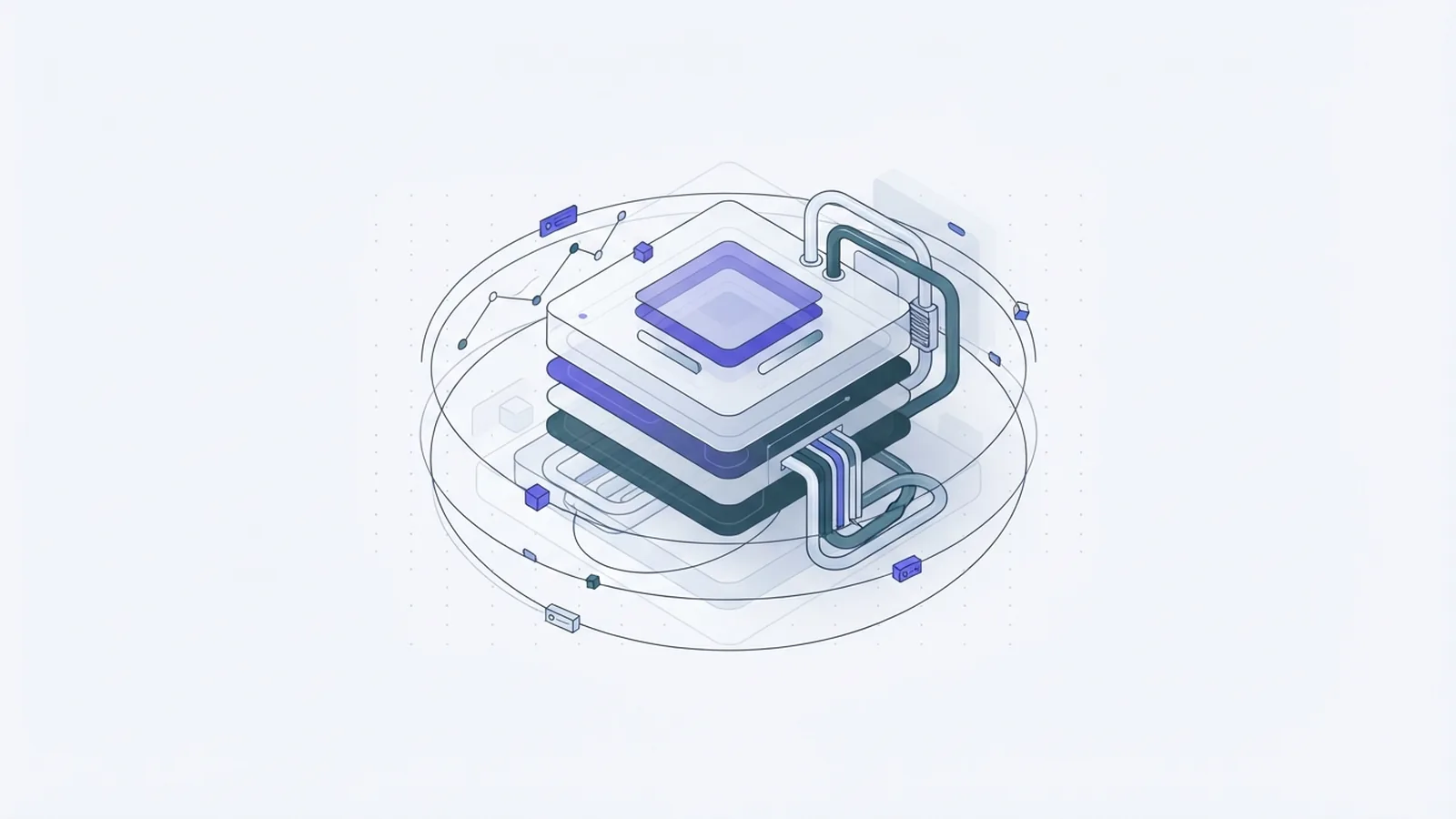
An AI data center is a site built for large AI workloads. It uses dense racks filled with GPUs and CPUs. Some sites also use TPUs, which are chips made for machine learning. These chips run many math tasks at once.
So, what does an AI data center look like? Inside, you would see long rack rows, power gear, network links, and cooling pipes. The room feels more like a plant than an office server room. Each rack may hold many high-power chips and fast storage drives.
What does an AI data center do? It stores data, trains models, runs model requests, and moves results between sites. It can also split one job across many locations. This design helps firms serve more users and run larger models.
Global spending may reach $650 billion across planned AI data center work. That figure varies by source, region, and build date. Chip supply, grid access, and land costs also shape the final total.
Key Components of an AI Data Center
The compute rack is the main building block. It holds GPUs, CPUs, memory, storage, and network cards. GPUs suit parallel processing because they handle many small tasks at once. TPUs offer another chip design for machine learning work.
A rack may hold eight or more high-end GPUs. Large systems join many racks into one cluster. A cluster lets one model use thousands of chips during training. Fast links help those chips act as one system.
- Compute servers with GPUs, CPUs, or TPUs
- Fast links for chip-to-chip traffic
- Storage for source data and model files
- Power gear, batteries, and backup generators
- Cooling loops, pumps, sensors, and heat exchangers
Power systems feed each rack with steady current. They include switchgear, batteries, generators, and power converters. AI racks can draw far more power than standard racks. Many sites plan for about 60 kilowatts per AI rack.
Storage holds training data, model files, logs, and backup copies. Network cards move data between storage and compute chips. Control servers track heat, load, faults, and chip health across the site.
How Designers Plan the Space
AI data center design starts with rack density. A normal rack needs much less power than an AI rack. Designers plan stronger floors, thick cables, and larger power paths. They also need room for pumps and cooling pipes.
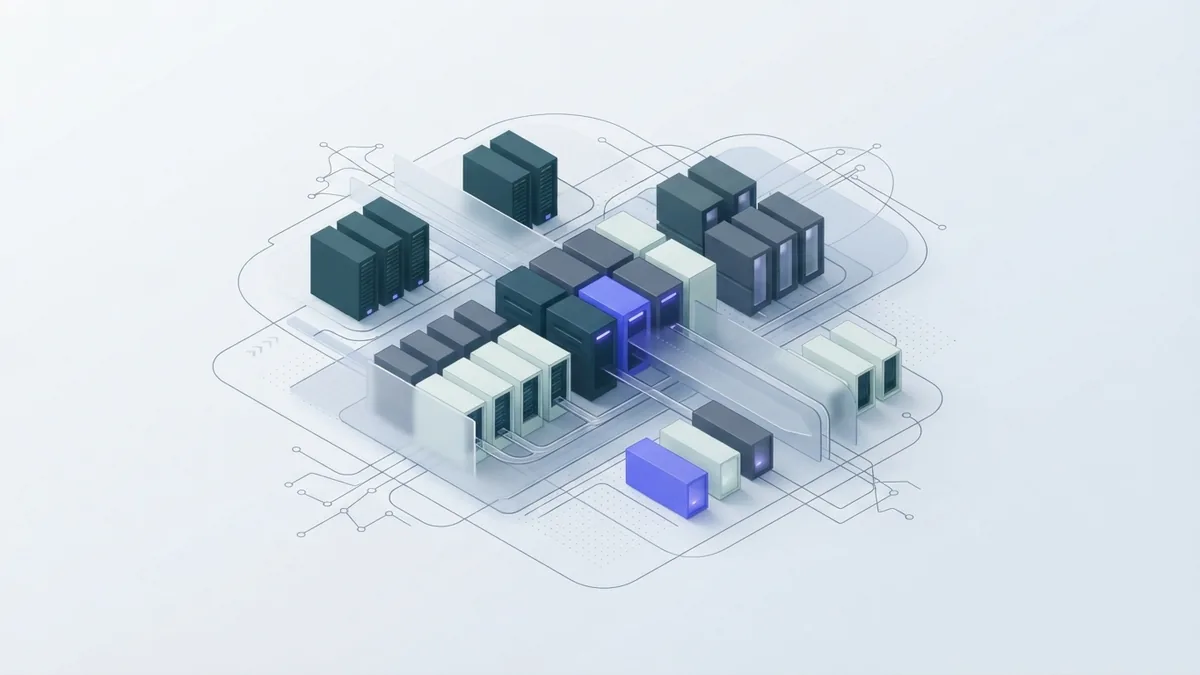
Rows follow a clear path for airflow, service work, and cable runs. Some halls use hot aisles and cold aisles. These layouts keep warm air away from cool supply air. Liquid systems can change the layout because pipes carry heat from each rack.
Security and uptime shape the wider site. Secure zones limit access to key gear. Separate power paths lower the risk of one fault. Backup systems keep vital workloads running during grid failure.
Designers must plan for growth from the start. They may build a shell that can hold more racks later. They can also leave room for new chips and faster links. This step lowers the cost of future changes.
How an AI Data Center Works
How does an AI data center work? First, data enters through storage systems or network links. A scheduler then assigns work to a group of chips. The chips process small parts of the job at the same time.
During training, the system reads many examples and adjusts model settings. It repeats this work across many passes. Each pass sends results between chips and storage. Fast links matter because slow data movement wastes costly compute time.
After training, the model enters an inference service. Inference means using a trained model to answer a request. The service sends each request to free chips. It then returns the result to an app or business system.
How does AI process data? It turns input into smaller numeric parts. The model compares those parts with learned patterns. It then ranks likely outputs and sends back a result. A large system can process data much faster than humans for repeatable tasks.
- Collect and store data in a shared data system.
- Split training or inference work across many chips.
- Move partial results across the fast network.
- Track health, heat, power, and job progress.
- Return model results to users or connected services.
Where AI Gets Data
Where does AI get its data from? Sources can include public web pages, books, records, images, audio, and company files. A model may also learn from licensed data or data made by users. The source depends on the model and its owner.
People often ask, “where does AI get data from?” The short answer is a mix of human-made sources. Data teams first gather the material. They then check quality, remove repeats, and filter harmful content.
So, where does AI data come from in a business system? It may come from sales records, sensors, support chats, or approved files. Access rules should limit what the model can read. A model should not gain broad access by default.
Questions about firms are more specific. For example, how does Placer AI get their data? Placer.ai says its location insights use aggregated and privacy-safe movement data. Its own policy and product pages are the best place to check current details. The same rule applies when asking where does Scale AI get its data.
Scale AI can work with client data, public sources, and data made for a set task. It also uses human workers to label data. How does Scale AI label data? It gives workers clear task rules and sends the results through review steps.
Data Quality, Security, and Privacy
Bad input can harm every stage of model work. How does data corruption defeat an AI algorithm? It feeds wrong or changed values into training or live use. The model may then learn false links or produce unsafe results.
Corruption can affect a few files or a whole data store. A small change may shift a model's output. A large attack may hide errors across many records. Checksums, source logs, and clean backups help teams spot the change.
How does encryption help keep AI data secure? It scrambles data so unapproved readers cannot use it. Encryption protects data while stored and while sent across a network. Keys must stay apart from the data they protect.
How does encryption keep AI data secure during model use? It lowers the risk of theft during storage or transfer. It does not fix bad access rules or unsafe code. Teams still need role checks, audit logs, and careful data removal.
What does AI do with your data? It may store, sort, compare, or use it to answer a request. The answer depends on the service terms and its data settings. Read those terms before sending private records.
The NIST AI Risk Management Framework gives teams a trusted guide for handling model risk. NIST is a U.S. government standards body. Its framework fits data quality, privacy, and security reviews.
Cooling, Power, and Energy Use
AI chips turn much of their power into heat. High heat can slow chips or damage parts. Cooling must remove that heat at a steady rate. This need makes AI sites more power hungry than common data centers.
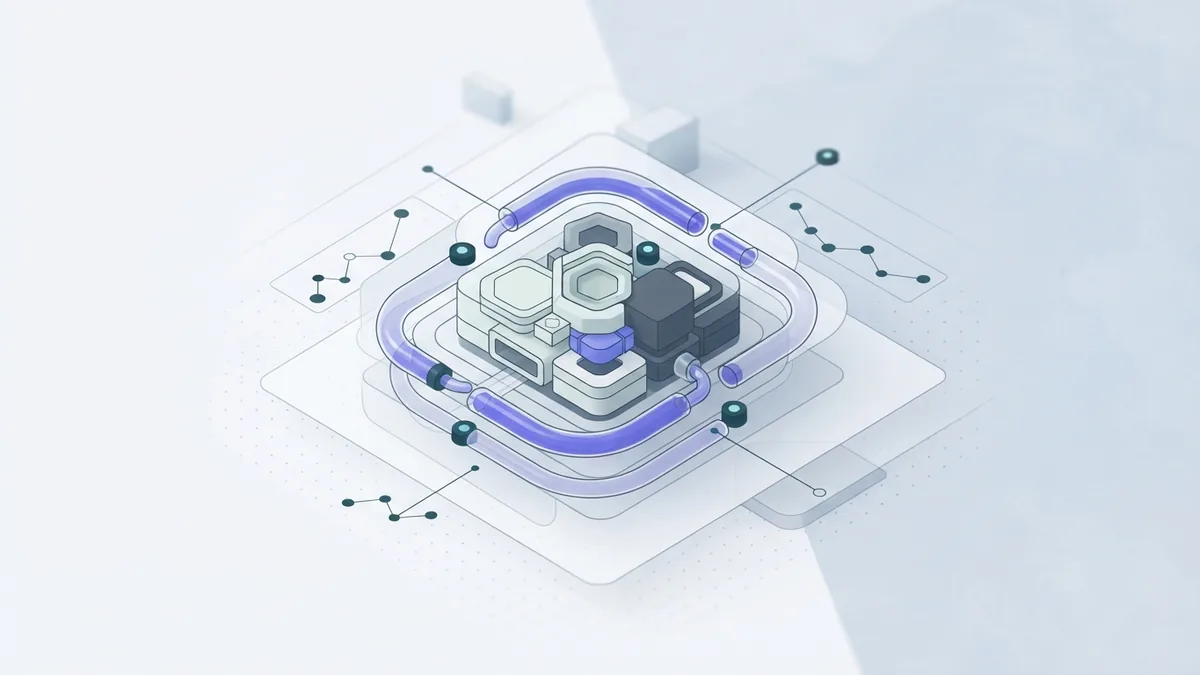
Air cooling still works for some systems. Dense racks can push air cooling near its limits. Liquid cooling carries heat away more directly. A cold plate sits near the chip, while a pump moves fluid through the rack.
Liquid cooling can cut fan power and support higher rack density. Some systems also use closed loops to reduce water use. Designers must still plan for leaks, pumps, filters, and safe service work.
Power cost shapes the full business case. How much does an AI data center cost? A small build may cost millions. A large site can cost billions after land, chips, power work, and cooling.
How much does an AI data center cost to build? There is no single price. Chip type, site size, grid work, and local labor change the result. The chips alone may form a large share of the budget.
Interconnectivity and Data Management
AI sites need fast links between chips, storage, and control systems. A slow link can leave costly GPUs idle. Network design must support both heavy data moves and many small requests.

Many sites connect through wide area networks. This lets teams spread work across more than one location. If one site lacks room or power, another site can take part of the job.
Shared data stores help keep model files and training sets in order. Teams track where each file came from and when it changed. They also set rules for access, backup, and deletion.
Where does AI pull data from during a live request? It may pull from a database, a search index, or a file store. The model then uses that fresh material to shape its answer. This setup can reduce the need to retrain the full model.
Jobs, Models, and Future Trends
What is an AI data specialist? This role joins data care, model work, and system checks. What does an AI data specialist do? The specialist checks data quality, builds data flows, and watches model results.
How many people does an AI data center employ? A large site may need dozens of full-time workers. Its wider build and supply chain can support many more jobs. Staff may include network techs, power staff, security workers, and data specialists.
Which LLMs does AI Force use? That answer depends on the firm, product, and current vendor deal. An LLM means a large language model. Buyers should ask about the model name, data use, storage time, and access controls.
Future sites will use denser racks, faster links, and better cooling. Some will pair with local power plants or new grid links. Others will send jobs between regions to balance cost and demand.

Efficiency will matter as much as raw speed. Better chip use can lower waste without slowing service. Smarter scheduling can also shift flexible jobs to times with more clean power.
Frequently asked questions
- What does an AI data center look like inside?
- It looks like a large industrial server hall. You would see dense racks, thick power cables, network gear, storage systems, and cooling equipment.
- What does an AI data center do?
- It stores data, trains models, runs live model requests, and moves results between systems. It also tracks heat, power, faults, and job health.
- Where does AI get its data from?
- AI can use public web content, licensed material, company files, records, sensors, and user input. The source depends on the model and its owner.
- How does an AI data center work?
- Data enters storage or network systems first. A scheduler sends work to many chips, which process parts of the job at the same time.
- How much does an AI data center cost to build?
- Costs range from millions for a small site to billions for a large campus. Chips, power work, cooling, land, and labor drive the final price.
- How does encryption keep AI data secure?
- Encryption scrambles data during storage and transfer. Teams still need strong access rules, audit logs, and safe key handling.
Related reading

Build an AI Agent That Handles Real Work
Plan, build, and test an AI agent for a focused task.

AI Agents — How They Work and Where They Help
See how AI agents work, where they help, and what teams must manage.
Anthropic AI — Claude, Safety, Uses, and Investment
Meet Anthropic, its Claude models, safety work, uses, and private company status.