AI Data Centers — What They Are and How They're Built
See how AI data centers power model training and fast AI services.
What Is an AI Data Center?
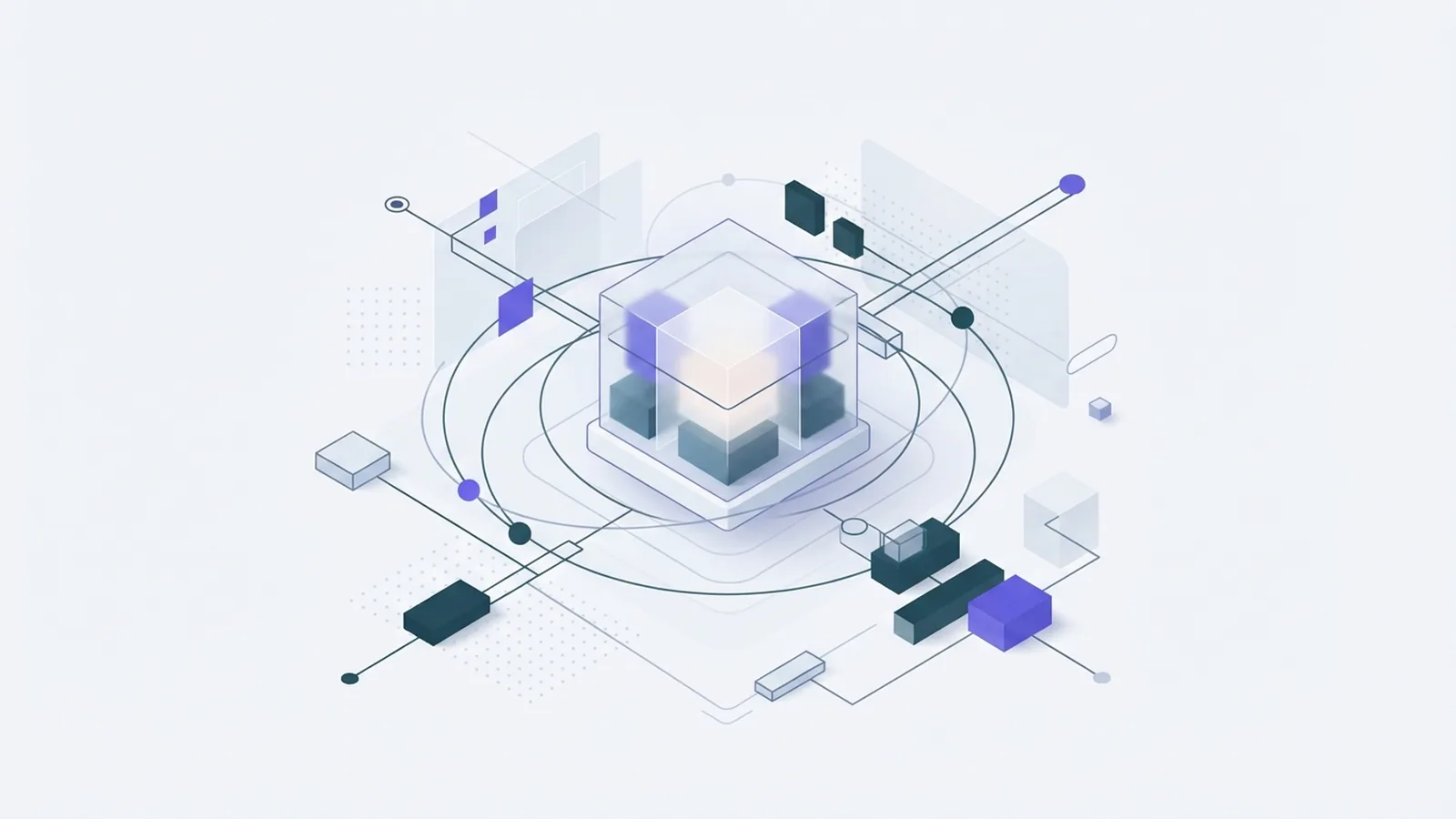
What is an AI data center? It is a site built for artificial intelligence work at scale. It joins dense compute, fast storage, and low-delay networks.
In simple terms, an AI data center feeds large data sets to many chips. Those chips train models, test models, and run live AI tools. The site must keep data moving with little delay.
You may also see the search phrase “what is a ai data center.” It means the same thing. The British spelling “what is an ai data centre” also describes this type of site.
- Training: Chips learn patterns from many examples.
- Inference: A trained model gives an answer or score.
- Data work: Teams clean, label, store, and move data.
- Model testing: Engineers check speed, quality, and safety.
So, what is AI data used for? It can support search, speech tools, image tools, science, and business forecasts. The use depends on the model and its source data.
How AI Data Centers Differ From Traditional Data Centers
Traditional sites often run websites, databases, and office software. These tasks use many small jobs. They often rely on central processing units, or CPUs.
AI workloads have a different shape. They split one large job across many chips through parallel processing. A model can run billions of math steps during one training job.
Data flow matters just as much as chip speed. A chip can sit idle when the next data block arrives late. Fast links and shared storage help prevent that wait.
| Area | Traditional site | AI site |
|---|---|---|
| Compute | Mostly CPUs | GPUs and other chips |
| Work pattern | Many separate tasks | One task across many chips |
| Data flow | Moderate speed | Very high speed |
| Rack heat | Lower heat | High, dense heat |
| Network | General use | Very low delay |
What are AI data centres built to do? They handle large, steady compute loads. They also move far more data than many general server rooms.
That difference raises the cost of each rack. It also changes plans for power, cooling, cables, and floor space. A normal server room may need major upgrades before it can host a dense GPU cluster.
Key Technologies Inside an AI Data Center
What is inside an AI data center? The core is a group of servers with GPUs, memory, and local storage. A GPU can run many math tasks at once.
Special links connect chips inside each server. Other links connect servers across a rack or hall. NVIDIA’s InfiniBand networking technology is one example of a fast cluster link.
Storage must keep pace with the chips. Solid-state drives, shared file systems, and object stores feed many workers at once. This setup supports large data sets without one slow device blocking the job.
- GPU clusters: Many chips share model work.
- Fast storage: Drives supply training data at high speed.
- Low-delay networks: Links cut wait time between servers.
- High-bandwidth memory: Memory keeps key data near each chip.
- Job control: Schedulers assign work and track faults.
What is AI data annotation? It is the act of adding useful labels to raw data. A label may mark an object in an image, a topic in text, or a sound in an audio clip.
What is data annotation in AI used for? It gives a model examples with known answers. Good labels can improve model results. Bad labels can teach the wrong pattern.
Teams also need data checks. They track source data, label changes, access rights, and backup copies. This work forms part of data governance, which means rules for safe and sound data use.
AI Data Center Architecture From Rack to Cluster
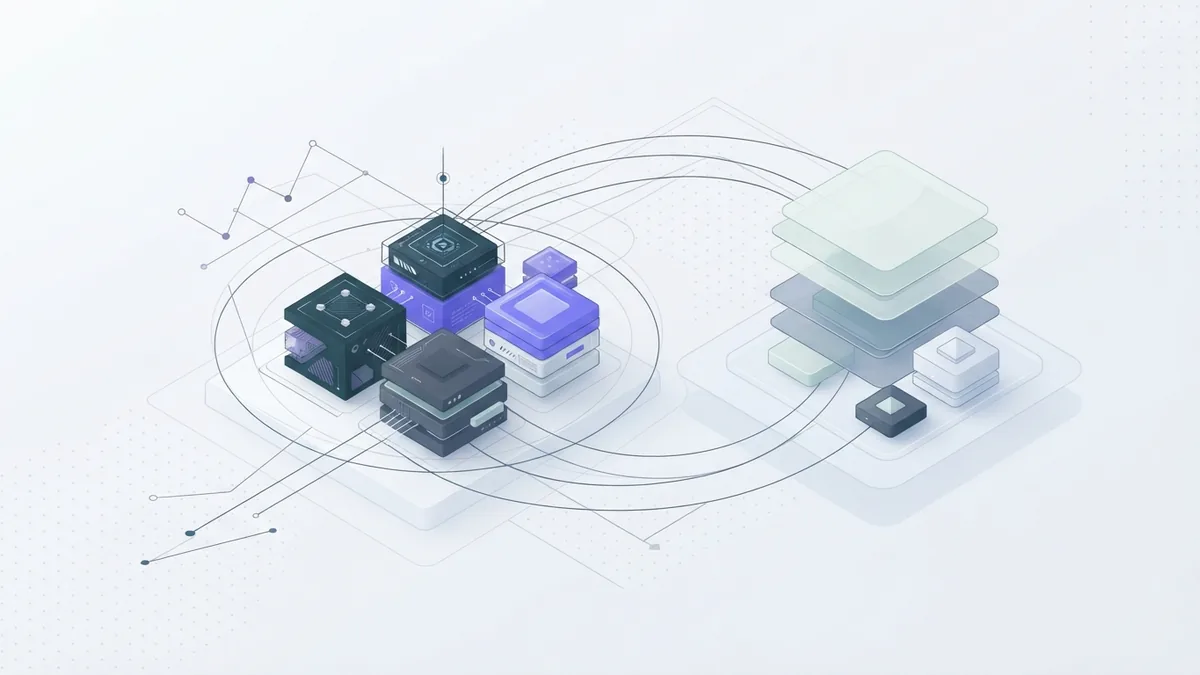
AI data center architecture has several layers. Power and cooling systems support the racks. Servers then provide chips, memory, and local drives.
The network joins those servers into a cluster. A storage layer supplies shared data. A control layer starts jobs, checks health, and shifts work after a fault.
Many sites use separate network paths. One path carries user traffic and system control. Another carries heavy traffic between chips during training.
- Group GPU servers with short cable paths.
- Give each group fast access to shared storage.
- Keep training traffic apart from normal site traffic.
- Add spare links and power paths for fault recovery.
- Track chip use, network delay, storage speed, and heat.
How to build an AI data center starts with the workload. Teams must choose the model size, data volume, target speed, and growth plan.
They then size the chips, links, storage, power, and cooling together. A weak link can limit the whole cluster. Good design also leaves room for new chips and added racks.
Power and Cooling Requirements

AI chips use more power than many general server chips. Dense racks also place more heat in a smaller area. That heat must leave the rack at a steady rate.
How much power is needed for an AI data center? There is no single answer. A small test cluster may need only a few racks. A large site may need tens or hundreds of megawatts.
The answer depends on chip count, chip type, job use, cooling design, and backup gear. Engineers measure both peak draw and long-run draw. They also plan for power lost in fans, pumps, and other site systems.
Air cooling can work for some low-density racks. Liquid cooling often suits newer, denser systems. It moves heat closer to the chips and can reduce fan power.
The International Energy Agency’s Energy and AI report tracks the link between AI growth and rising data center power use. Its work helps planners study demand, grid limits, and energy efficiency.
- Use efficient power supplies and short power paths.
- Match cooling capacity to the rack heat load.
- Measure power at the rack and site levels.
- Plan backup power before adding more compute.
- Reuse waste heat where local systems allow it.
Energy efficiency does not mean using fewer chips at any cost. It means getting more useful model work from each unit of power.
Growth, History, and the Future of AI Data Centers
What is the point of AI data centers? They let firms train larger models and serve more users. They also bring compute, storage, and data tools into one managed site.
When was the first AI data center built? There is no agreed first site. Early research centers used clusters for machine learning long before the phrase “AI data center” became common.
Where was the first AI data center built? The answer depends on the definition. A research cluster, a dedicated AI hall, and a cloud AI region are not the same thing.
Modern AI centers grew from high-performance computing sites and cloud server farms. Their newer design adds denser chips, faster links, and stronger cooling. This shift supports large models such as GPT-4.
Where is an AI data center today? It may be in a cloud region near a power grid, network hub, or large customer base. There is no single AI data center. Sites are spread across many regions.
That is why “where is the AI data center?” has no one answer. The nearest AI data center to you depends on the cloud provider and service. Public tools may show a region, but they often hide the exact building for safety.
Future sites will need better power links, liquid cooling, and smarter job control. They may also place some compute near users. This can cut delay for live AI services.
Growth will bring trade-offs. Sites need land, water plans, grid access, and careful data rules. Strong design must balance speed, cost, safety, and energy use.
AI Data Quality, Poisoning, and Governance
What is AI data collection? It is the planned gathering of data for a model or service. Teams should record where data came from and why they can use it.
What is data poisoning in AI? It is an attack that adds harmful or false examples to training data. The aim is to make a model learn a bad pattern or fail on certain inputs.
What is AI data poisoning? It is the same risk described in shorter form. Checks can include source review, label review, outlier scans, and tests on clean data.
AI data governance sets the rules for access, quality, privacy, retention, and change control. It helps teams know which data entered a model and who approved it.
These controls matter inside the data center. Fast chips cannot fix weak data. Clean records and clear rules help the whole AI pipeline work well.
Frequently asked questions
- What is an AI data center?
- An AI data center is a site built for large artificial intelligence workloads. It uses dense compute, fast storage, and low-delay networks.
- What is an AI data center used for?
- It trains models, runs live AI services, processes media, and scores business data. It can also support data labeling and model tests.
- How much power is needed for an AI data center?
- The need depends on chip count, rack density, cooling, and site size. A small cluster may use a few racks, while a large site may need tens or hundreds of megawatts.
- What is data annotation in AI?
- Data annotation adds labels to raw text, images, audio, or video. Those labels give a model examples with known answers.
- What is data poisoning in AI?
- Data poisoning adds harmful or false examples to training data. It can make a model learn bad patterns or fail on chosen inputs.
- Where is the nearest AI data center?
- The nearest site depends on the cloud provider and your region. Providers often show a service region, not the exact building.
Related reading
Use AI in Real Estate to Work Smarter
See how AI can save time, find leads, and improve client service.

Learn AI and Machine Learning — Build Skills That Last
Build your AI skills with a simple path from Python to real projects.

Build AI Agents from Scratch (Beginner Path)
Build your first AI agent with simple tools, clear steps, and beginner-friendly tips.