AI Agents (How They Sense, Decide, and Act)
See how AI agents sense, plan, learn, and act on a goal.

What is an AI agent?
An AI agent is a system that senses its environment, chooses actions, and works toward a goal. It can use software, devices, or services with little human input. In AI terms, an agent links information to action. It is not just a model that answers a question.
If you search “what is an agent in AI,” the short answer is a goal-driven system that can act. The phrase “what is agent AI” often points to the same idea. An agent may follow fixed rules, learn from examples, or combine both methods. Its independence depends on the tools and limits set by its makers.
Consider a warehouse robot. It reads sensor data, picks a safe route, and moves a package. A software agent might sort support requests or check records. Both take in information and act to meet a goal.
A rational agent chooses the action most likely to meet its goal, given what it knows. That does not mean it is always right. It may lack key facts, time, or computing power. A knowledge-based agent uses stored facts and rules to guide its choices.

Core components of an AI agent
Agents use several parts to turn input into action. Perception gathers and makes sense of data. A text agent may read a request and spot its intent. A robot may use sensors to judge distance or movement.
Reasoning weighs choices against goals, rules, and past results. Planning sets out steps to reach a goal. For instance, a travel agent could find dates, compare routes, and reserve a seat. A plan helps it handle work that one reply cannot finish.
Memory lets an agent keep useful details. Short-term memory holds facts for the task at hand. Long-term memory can retain facts or patterns for future tasks. The system's design should set clear limits on what it saves.
Learning can change an agent's choices after feedback. Action carries out a chosen step, such as sending a request. Communication lets the agent share results with people or other systems. These parts form a loop: sense, decide, act, and check.

Types of AI agents
Reactive agents respond to the input they see now. A basic thermostat turns on heat when a room gets too cold. This type can work well in a narrow setting. It may fail when the right choice depends on past events.
Model-based agents keep an inner picture of the world. This helps when they cannot see every detail at once. Goal-based agents compare actions with a target. Utility-based agents also weigh how good each result may be.
Learning agents improve through examples or feedback. Reinforcement learning is one method. The agent tries actions and gets rewards or penalties. Over time, it can learn which choices tend to work in a given setting.
Proactive cognitive agents can plan ahead, use tools, and change course when new facts arrive. The term agentic AI often describes systems built to take several steps toward a goal. These systems vary widely. Some use a language model, while others rely on rules or learned patterns.
There is no single answer to “what is an agent AI.” The term can refer to a simple rule-based tool or a system with planning and memory. An agent's skills are the tasks it can carry out, such as finding facts or sending a request. Its skills should match its access and safety limits.
What AI agents can do
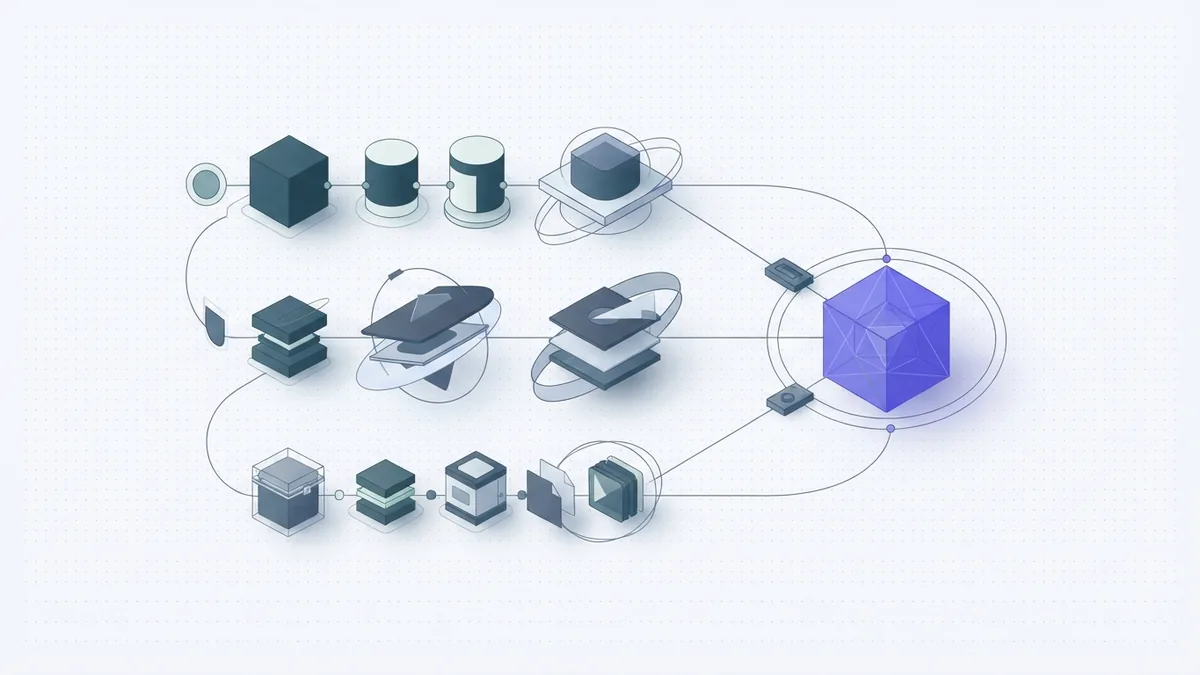
An agent can break a broad goal into smaller tasks and work through them in order. It might search a knowledge base, sort useful results, and draft a reply. Natural language processing helps text agents read requests and form answers. It does not ensure that every detail is correct.
Agents can also watch for changes and act when a set condition occurs. An IT agent might spot a service fault, gather details, and open a support case. A person may still need to approve risky changes. That keeps routine work apart from choices that need care.
Tool use can widen an agent's reach. It might check a calendar, query a database, or send a message through an approved service. Each tool needs clear limits. Read-only access, for example, can reduce the risk of unwanted changes.
Agent collaboration happens when two or more agents share work or pass results between them. One agent might gather facts, while another checks them against set rules. Collaboration can speed up a task, but it can also spread errors. Teams need clear roles and ways to review each handoff.

Where agents are used
In customer support, agents can sort questions and find help content. They may draft a reply for a staff member to review. This can reduce time spent on common requests. A person should handle cases that need judgment or care.
In operations, an agent can watch system signals and flag unusual changes. It might gather logs, group related events, and suggest a next step. The agent can help staff respond faster. It should not make high-impact changes without proper checks.
In personal task support, agents may help plan meetings, find information, or track a list of steps. These tasks need access to private data, so the agent should only use what it needs. Users should know what it can read and change. Clear approval steps matter.
The best fit is a task with a clear goal, repeatable steps, and useful feedback. Agents can save time on routine work, but they do not remove the need to check results. Review is vital when errors could affect money, safety, or private data.
Challenges and limits
An agent can misread a request or act on poor data. A confident answer can still be wrong. Teams should test agents with real cases and edge cases before use. They should track errors and adjust rules or tools as needed.
Too much access can raise the risk of harm. Give an agent only the tools and data it needs. Set approval gates for actions that change records, spend money, or affect people. Keep a clear record of key actions.
Memory also needs care. Short-term notes may help finish a task, while long-term memory can improve later work. Yet saved details may be stale or private. Set rules for what the agent keeps, how long it keeps it, and how users can correct it.
New product names can make the field seem more complex than it is. Searches such as “what is Agent Zero AI” or “what is Hermes Agent AI” may refer to specific projects, not a general agent type. Check each project's own scope and tools before judging it. The same core questions still apply: what can it sense, decide, remember, and change?
In short, an AI agent turns a goal into a loop of sensing, planning, action, and review. Its parts and limits shape what it can do. Start with a narrow task, check each result, and expand access only when the agent proves reliable.
Frequently asked questions
- What is an agent in AI?
- An AI agent is a system that senses information, chooses actions, and works toward a goal. It may use rules, learned patterns, or both.
- What is a rational agent in AI?
- A rational agent selects the action most likely to meet its goal based on what it knows. Rational does not mean perfect, since the agent may lack data or time.
- What is a knowledge-based agent in AI?
- A knowledge-based agent uses stored facts and rules to guide its choices. It can suit tasks with clear conditions or steps.
- What are the main parts of an AI agent?
- Common parts include perception, reasoning, planning, memory, learning, action, and communication. Together, they help an agent move from input to action.
- What is agent collaboration in agentic AI?
- It is the sharing of work or results between agents that pursue a larger task. Clear roles and review steps can help stop errors from spreading.
- What skills can an AI agent have?
- An agent's skills are the tasks it can perform, such as searching records, sorting requests, or sending approved messages. Its tools and access limits define what it can safely do.
Related reading

Learn to Use AI for Study, Coding, and Business
Use AI to learn, code, and support business work with care.

Build an AI Agent That Handles Real Work
Plan, build, and test an AI agent for a focused task.

AI Agents — How They Work and Where They Help
See how AI agents work, where they help, and what teams must manage.