Agentic AI — How It Works, Where It Helps, and What to Watch
See how agentic AI plans tasks, uses tools, and needs human checks.
What Is Agentic AI?
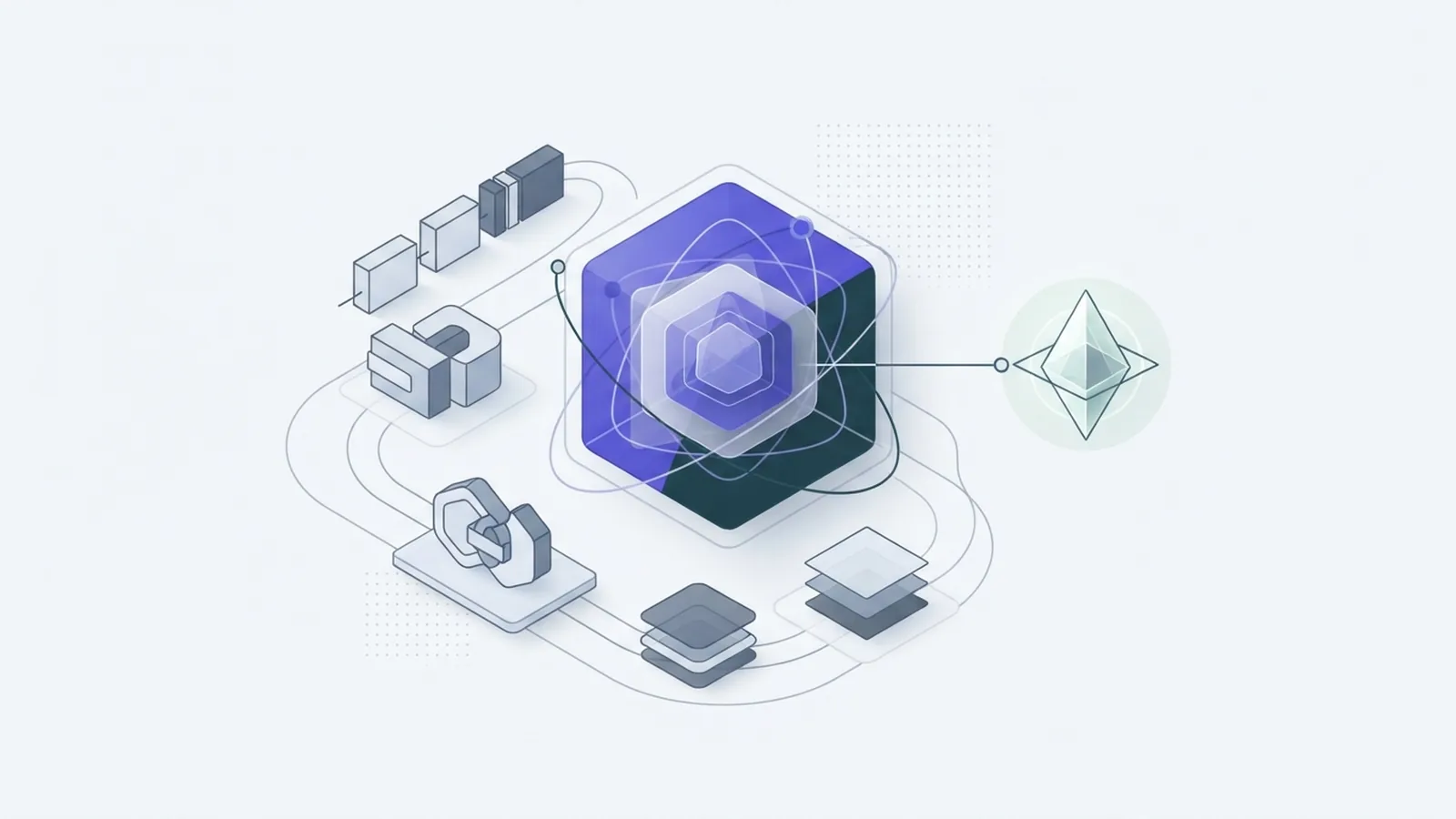
What is agentic AI? It is AI built to work toward a goal through linked steps. It can take in information, plan, use approved tools, and check the result. People set the goal and the limits.
In simple terms, agentic AI can do more than answer a prompt. It may act, review what happened, and choose a next step. That goal-driven behavior is central to the agentic AI meaning.
There is no single agreed definition. Some systems only suggest actions. Others can act in software with limited day-to-day oversight. The term describes how a system works, not one special model or product.
So, what is an agentic AI system? It combines a model with a goal, tools, rules, and checks. For example, it might find an order, check its status, and draft a reply. A staff member can review that draft before it goes out.
- Model: reads input and helps choose a next step
- Tools: let the system search, calculate, or update data
- Rules: set limits on access and action
- Review: checks the result or asks for human approval
Traditional AI often returns a prediction or answer. Agentic AI links its output to action. That does not mean it is fully independent.
Key Characteristics and Core Parts
What best defines agentic AI is its ability to work toward a stated outcome. A person might ask it to sort support cases or find delayed orders. The system then breaks the work into smaller tasks.
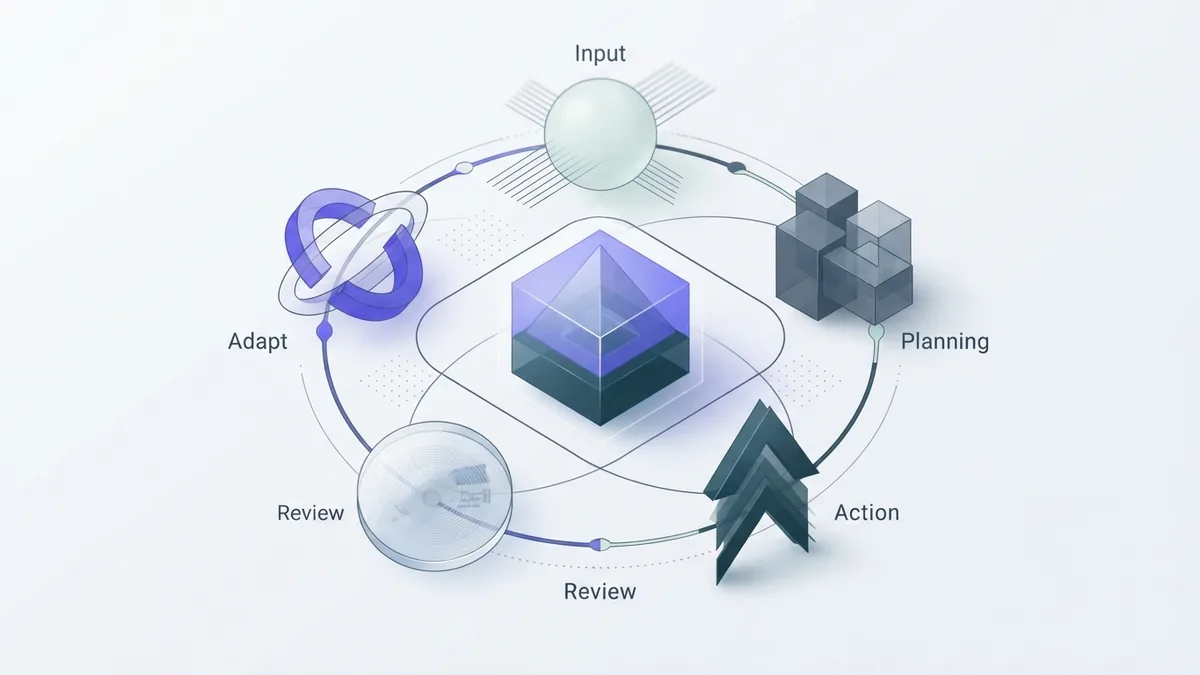
Many agentic AI systems use perception, reasoning, planning, and action. Perception means taking in data, such as a message or file. Reasoning helps the system judge what the data means. Planning sets the next steps.
After each step, the system checks the result and may change its plan. This feedback loop can help when a search fails or a detail is missing. It does not ensure that each choice will be right.
Tools and rules shape what a system can do. A tool might search a database or send a draft for review. Access alone does not make an action safe. Limits should match the risk of each task.
- Goal: a clear result the system should reach
- Perception: input from users, files, or tools
- Plan: steps that lead toward the goal
- Action: use of approved tools
- Feedback: a check that guides the next step
Learning can also play a role, but the term needs care. Many systems do not learn from each live task. Teams may need to review results and update the model, prompts, or rules.
How Agentic AI Works
A common agentic workflow follows a loop: receive input, reason, plan, act, and check. The system compares the request with its goal and rules. It then picks a step its tools can carry out.
For example, a delivery support system could read a customer question and find the order record. It could check tracking data, then draft an update based on those facts. If data is missing, it should flag the case rather than guess.
What is orchestration in agentic AI? It is how a system directs work among models, tools, or agents. One agent could find a fact while another drafts a response. A controller can manage the handoff and check that each step follows the rules.
Some systems use more than one agent. This can split a large task into smaller parts. It can also add failure points. Teams need to track which agent took each action and why.
To get started, choose one task with a clear result and low risk. Give the system only the data and tool access it needs. Test it on past cases, check its mistakes, and add human review before live use.

Applications of Agentic AI
Applications of agentic AI suit tasks with clear steps, sound data, and a way to check results. Many firms begin with staff support instead of full automation. This lets teams test the value before they grant wider access.
In customer service, an agent can sort requests, find order details, and draft a reply. Staff can review the draft and take over unusual cases. This can cut repeat work while keeping people in charge of the final answer.
In healthcare, a system might gather details from an intake form and flag missing fields. It could prepare a summary for a clinician to review. It should not replace clinical judgment or make high-risk care choices without strong checks.
Finance teams can use agents to gather figures for reports or flag gaps in records. In supply chains, agents can check stock data and alert staff to likely delays. Both uses depend on sound data and clear rules for handoffs.
Agentic AI can also support commerce. For example, it could check stock, compare order details, and prepare a service response. Any action that changes a price or places an order needs clear approval rules.
The best starting point is narrow. Pick work that is repeated, easy to check, and safe to pause. Keep a person in the loop when an error could harm a customer or cause a costly loss.

Advantages, Risks, and Safeguards
Agentic AI can help teams handle multi-step work at greater speed. It can gather facts, move data between tools, and draft routine outputs. Staff may then spend more time on hard cases and planning.
Yet more autonomy brings more risk. A bad input can lead to a bad plan. A tool with broad access can change or expose data. A system can also take a wrong step while still seeming sure.
Governance means setting clear rules for who owns the system and what it may do. Security means limiting access, checking tool calls, and keeping useful records. Accountability means a person or team can explain and fix a poor result.
- Give each agent only the access its task needs
- Require approval for payments, account changes, or care choices
- Keep logs of inputs, plans, tool calls, and outcomes
- Test unusual cases, weak data, and failed tool access
- Set a clear way to pause the system and hand work to staff
Teams should judge results with real task measures. Track error rates, time saved, and how often staff must step in. Review those measures after each change, not just before launch.
Human review is not a cure for every flaw. Reviewers need enough context and time to spot errors. For high-risk tasks, limit what the system can do before a person checks its work.
What Comes Next for Agentic AI?
Agentic AI is a recent label for ideas that build on older work in AI, software tools, and automation. Its pace of change makes firm forecasts hard. The key question is not only what comes next, but which tasks are safe to hand off.
Future systems may work across more tools and share tasks with other agents. This could help with wider workflows, such as a service case that needs a search, a policy check, and a reply. More links also mean more ways for errors to spread.
For businesses, progress will depend on more than a capable model. Teams need clean data, safe tool links, sound tests, and clear owners. A small system that works well can be more useful than a broad system no one can check.
When weighing a platform or vendor, ask what data it can reach and what actions it can take. Ask how it handles errors, keeps records, and hands work to a person. Run a small test before relying on it in live work.
Agentic AI is best seen as a way to build goal-led software, not as a promise of hands-free work. Its value comes from useful action within clear bounds. Human judgment still matters.
Frequently asked questions
- What is agentic AI in simple terms?
- Agentic AI is a system that works toward a goal through steps. It can plan, use tools, and check its work within set limits.
- How is agentic AI different from traditional AI?
- Traditional AI often returns an answer or prediction. Agentic AI can use that output to take steps toward a goal.
- What can agentic AI do?
- It can gather facts, sort requests, use software tools, and draft or update routine work. The tasks it can do depend on its tools and access rules.
- What are agentic AI tools?
- They are the software links an AI system can use, such as search, data lookups, or calculators. Safe systems limit those links to the task at hand.
- Where is agentic AI used?
- Teams use it in customer service, healthcare support, finance, and supply chains. Good uses have clear steps and a way to check results.
- How can a business get started with agentic AI?
- Choose one low-risk task with a clear result. Test it on past cases, limit data access, and add human review before live use.
Related reading

Build AI Agents from Scratch (Beginner Path)
Build your first AI agent with simple tools, clear steps, and beginner-friendly tips.

AI Workflow Automation — How It Works at Work
See how AI can handle routine work, guide decisions, and link business processes.

Use Agentic AI to Run Workflows (Safely and Well)
Put agentic AI to work on multi-step tasks with clear goals and human checks.