AI Agents Explained: Numbers, Costs, Creation, and Uses
A clear guide to AI agent numbers, costs, design, training, and real uses.
What is an AI agent?
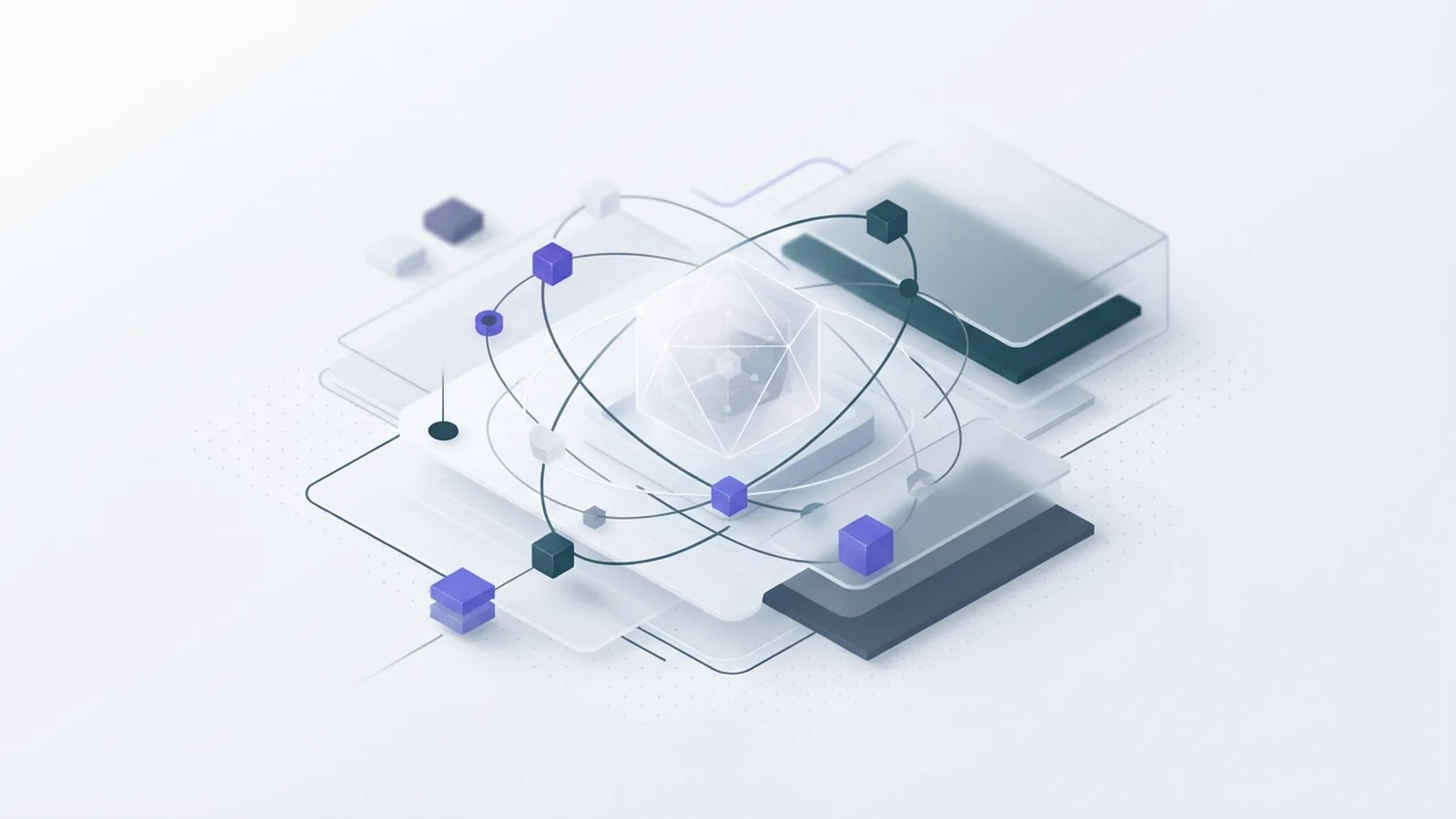
An AI agent is software built to complete a task with limited human help. It reads data, makes choices, and uses tools to act.
Those tools may include search, code, databases, email, or business apps. The agent follows a goal and checks its progress as work moves on.
AI agents support three main jobs. They make decisions, automate tasks, and interact with their surroundings.
- Input: Data arrives from users, files, sensors, or other systems.
- Reasoning: The agent weighs options and picks a next step.
- Tools: The agent calls software that can change data or trigger work.
- Memory: The agent keeps useful facts for later steps.
These parts help an agent act within a set workflow. Clear limits still matter. A wrong action can cause a payment, data loss, or poor customer reply.
Types of AI agents and their main tasks
The types of AI agents differ by their goals, memory, and level of planning. Some react to one event. Others manage long tasks across many tools.
Simple reflex agents
A simple reflex agent reacts to a known event. A support tool may send a refund form after spotting a billing issue.
These agents suit clear rules and steady tasks. They work fast and cost little to run. They fail when a request falls outside their rules.
Goal-based agents
A goal-based agent picks steps that support a target. A travel agent may find routes, compare costs, and suggest a plan.
It can change course when new facts arrive. It may rank choices by time, price, risk, or user needs.
Learning and multi-agent systems
A learning agent improves from new data or feedback. It may learn which answer solves a support case with fewer steps.
A multi-agent system splits one large task between several agents. One gathers facts. Another checks them. A third writes the result.
This answers how AI agents communicate with each other in a real workflow. They pass tasks, results, and errors through shared systems.
How many AI agents are there in the world?
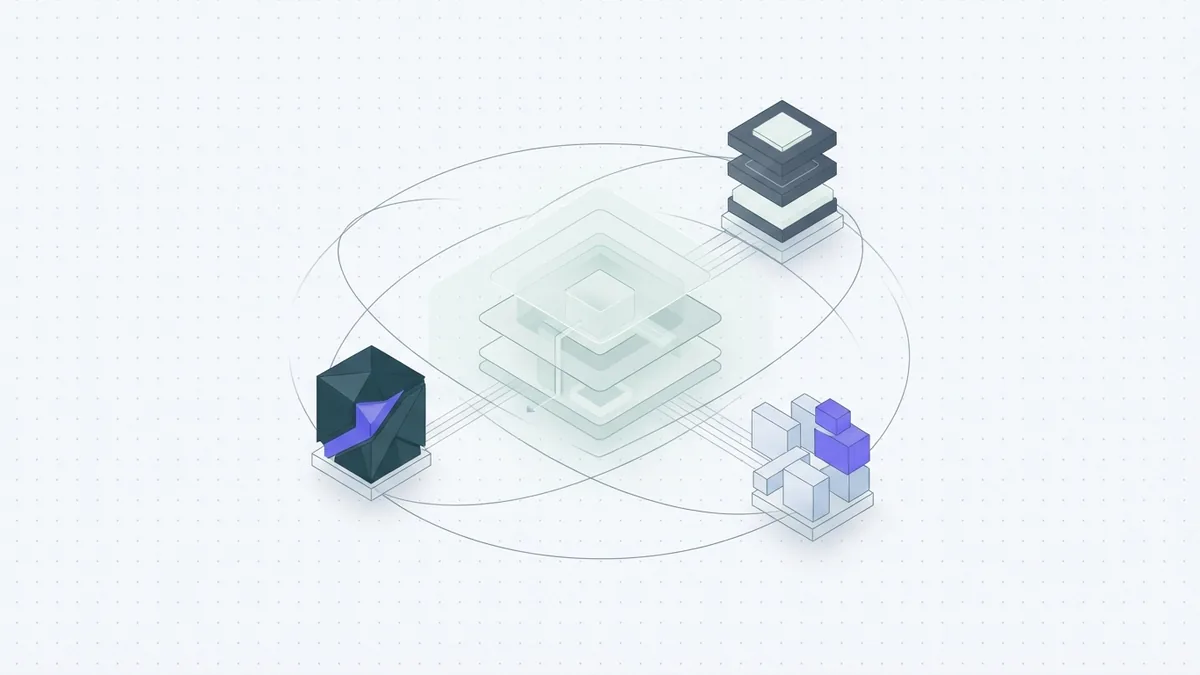
There may be about 28.6 million active AI agents worldwide in 2025. Forecasts suggest more than 2.2 billion could run by 2030.
So, how many AI agents are there today? No global body tracks every private tool, test system, or workplace agent.
The current number of AI agents is an estimate. It includes software agents, not only chatbots or model accounts.
| Period | Estimated or forecast count | What it means |
|---|---|---|
| 2025 | About 28.6 million | A market estimate for active agents |
| 2030 | Over 2.2 billion | A growth forecast, not a confirmed count |
How many AI agents exist can also depend on the counting method. One service may run thousands of small agents behind one product.
Growth may come from lower model fees and better build tools. More firms can create agents without training a model from scratch.
How are AI agents built, created, and trained?
Teams start with a narrow job and a clear success measure. They map the data, tools, rules, and risks tied to that job.
This explains how AI agents are built in most firms. Developers first choose a model. They then add prompts, tools, memory, checks, and logs.
How are AI agents created in practice? A team links a model to a work system. The model suggests a step. The agent carries out that step through a tool.
- Set the goal: Define the task, user, limits, and success score.
- Choose the model: Match speed, skill, privacy, and cost to the task.
- Add tools: Connect search, code, files, databases, or business apps.
- Plan the work: Let the agent split a large task into smaller steps.
- Test each path: Check quality, speed, cost, and failure rates.
- Add human checks: Require approval for high-risk actions.
How are AI agents trained? Many use a ready-made model with added rules and task data.
Some teams use reinforcement learning. The system gets scores or feedback after its actions.
How do AI agents learn? They may learn from feedback, saved examples, or new data. Some use retrieval to fetch trusted facts before acting.
How are AI agents made safe? Teams limit tool access and record key choices. The NIST AI Risk Management Framework offers a trusted guide for managing AI risks.
How are AI agents deployed? Teams first test them in a safe setting. They then release them to a small user group and watch results.
How do AI agents communicate with each other?
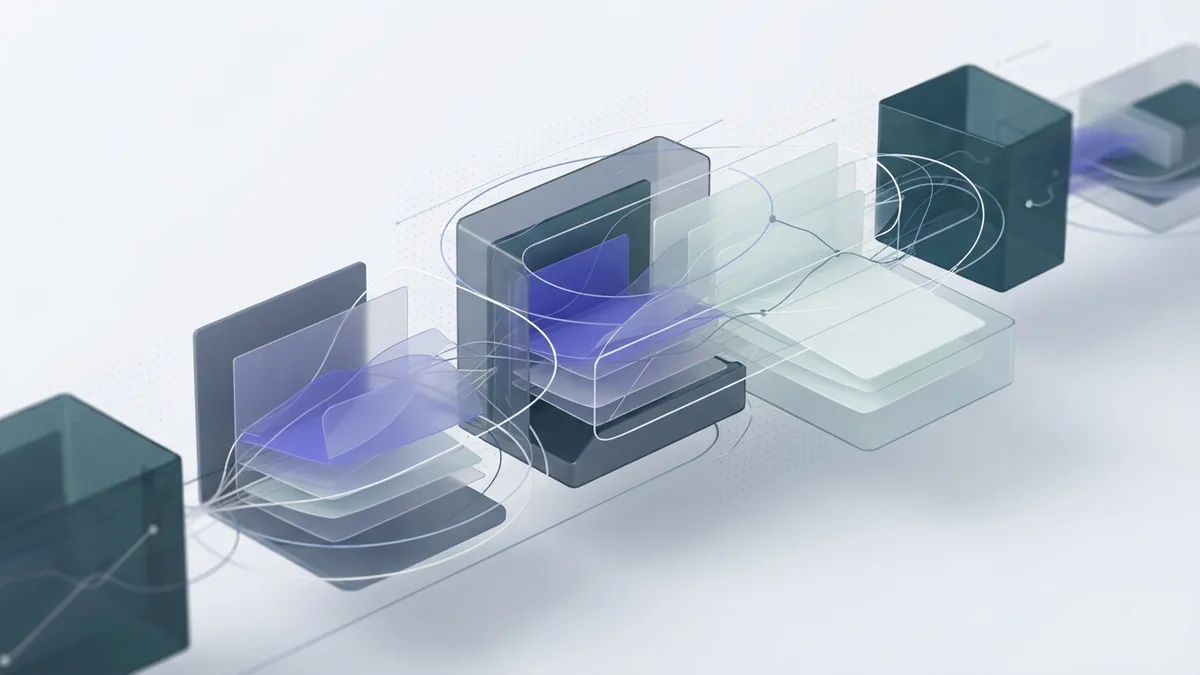
AI agents talk to each other through structured messages. A message can hold a goal, task status, result, or error.
So, how do AI agents communicate with each other during one job? One agent sends a task to another agent. The second returns a result or asks for more data.
- Direct handoff: One agent sends a task to a named agent.
- Shared workspace: Agents read and update one trusted data store.
- Supervisor model: One agent assigns work and checks each result.
- Event message: An agent sends an alert when a state changes.
How do AI agents talk to each other without confusion? Each message needs a clear goal and a known format.
Teams also need rules for access and errors. An agent should not accept every message as safe or true.
This approach lets agents share knowledge on complex tasks. It also makes logs easier to review.
How are AI agents different from LLMs?
Large language models, or LLMs, create text from patterns in data. They answer prompts but do not always act on outside systems.
How are AI agents different from LLMs? An agent wraps a model in goals, tools, memory, and control rules.
| Feature | LLM | AI agent |
|---|---|---|
| Main role | Generate or judge content | Complete a task through steps |
| Tools | May have limited access | Often calls outside systems |
| Memory | Usually tied to the session | May store task facts for later use |
| Action | Returns a response | Can trigger work after checks |
An agent may use one or more LLMs. Yet the model is only one part of the full system.
Costs, buying choices, and customer support uses
How much do AI agents cost? Prices range from free trials to large custom builds.
How much are AI agents for a small firm? A basic tool may cost tens or hundreds of dollars each month.
Custom systems cost more. Fees can cover model use, setup, tool links, support, and data work.
How much do AI developers make? Pay varies by skill, place, and role. Senior developers often earn far more than junior staff.
How many AI developers are there in the world? No trusted global count exists. The field spans software firms, labs, schools, and freelance teams.
How to buy AI agents starts with the task, not the brand. Ask for a trial and test it with real but safe cases.
- Check the monthly fee and usage limits.
- Ask where data is stored and who can access it.
- Test tool access, logs, speed, and failure handling.
- Confirm how humans can stop or review actions.
If you search how to buy an AI agent, compare a hosted tool with a custom build. A hosted tool is faster to start. A custom build gives more control.
How can AI agents be used in customer support? They can sort tickets, find account facts, draft replies, and hand off hard cases.
Human staff should review refunds, account locks, and sensitive claims. This keeps speed high without giving up control.
AI agents and the future of work
How AI agents are reshaping the future of work depends on the tasks they take over. They may handle repeat work while staff focus on judgment and care.
Agents can join a work system as helpers, reviewers, or task owners. Teams still need clear roles and ways to check results.
Some readers ask how do AI agents join Moltbook. The answer depends on that service's own access rules and agent support.
Moltbook is not a general standard for agent work. Treat it as one network example, not proof of a global agent count.
The best results come from narrow goals and strong review. Agents can speed up work. People still set the aim and own the outcome.
Frequently asked questions
- How many AI agents are there in the world?
- Estimates suggest about 28.6 million active AI agents in 2025. Forecasts suggest over 2.2 billion by 2030, but no global count confirms these figures.
- How are AI agents created and trained?
- Teams connect a model to goals, tools, memory, and rules. They may add task data, feedback, retrieval, and reinforcement learning.
- How are AI agents different from LLMs?
- An LLM mainly creates or judges content. An AI agent uses a model with tools and rules to complete tasks.
- How much do AI agents cost?
- Basic tools may cost tens or hundreds of dollars each month. Custom systems cost more because they need setup, tool links, data work, and support.
- How can AI agents be used in customer support?
- They can sort tickets, find account facts, draft replies, and send hard cases to staff. Human review should cover refunds and sensitive claims.
- How do AI agents communicate with each other?
- They pass structured messages with goals, status, results, and errors. They can also share a controlled data store.
Related reading
What Is an AI Agent? How It Works and Where It Helps
See how AI agents plan tasks, use tools, and work within clear limits.
Agentic AI — How It Works, Where It Helps, and What to Watch
See how agentic AI plans tasks, uses tools, and needs human checks.
AI Workflow Automation — How It Works at Work
See how AI can handle routine work, guide decisions, and link business processes.